 Sylva Botanical Journal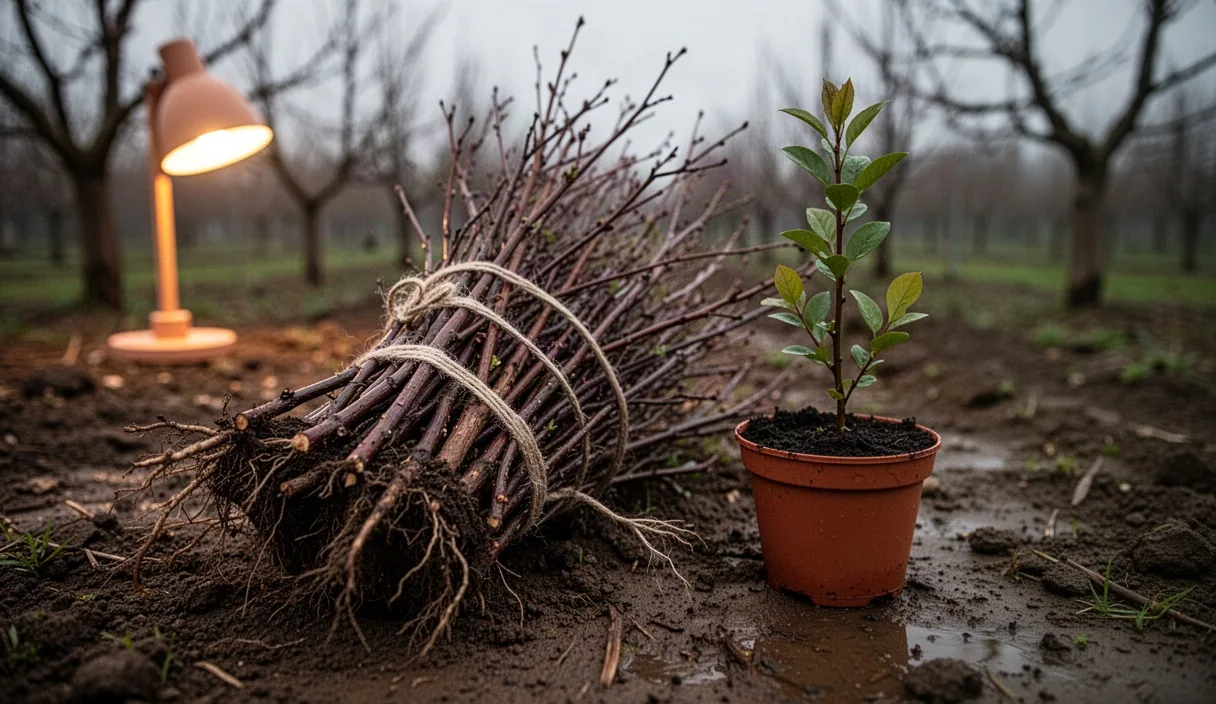

The establishment of multi-row shelterbelts on exposed agricultural land represents an exercise in risk mitigation where small early errors compound across decades. Land managers routinely face a primary procurement decision that dictates both the financial outlay and the seasonal rhythm of the project: whether to purchase field-grown, bare-root stock or cell-grown containerized seedlings. While both production methodologies claim successful historical records, they behave as fundamentally distinct biological systems once introduced into uncultivated paddock boundaries, heavy clays, or drought-prone ridges.
The choice between these two formats cannot be settled by nursery price lists alone. Bare-root material offers indisputable advantages in initial stock cost and volumetric transport efficiency, yet it binds the planting crew to a rigid winter window and demands strict protection against root desiccation. Containerized plugs, conversely, insulate the delicate root-tip architecture within an engineered substrate, providing operational flexibility well into late spring at the cost of significantly higher haulage bulk, root-interface resistance in heavy soils, and higher purchase figures. A rigorous appraisal of physiological, logistical, and pedological factors is therefore necessary before placing large-scale commercial orders.
Phenological Windows for Dormant Handling
Bare-root seedlings are entirely dependent on vegetative dormancy. The lifting process, undertaken by tractor-mounted undercutting blades in open fields, inevitably severs a proportion of the absorbing lateral roots and strips away all adhering mineral soil. Consequently, lifting cannot safely commence until atmospheric chilling requirements have triggered genuine endodormancy, characterized by the cessation of cambial cell division and the formation of winter resting buds. In the temperate maritime conditions of Western and Northern Europe, this window rarely opens before late November and closes abruptly with root-sap surge in early March.
Handling bare-root stock outside of this winter envelope introduces severe physiological stress. If seedlings are lifted prematurely in autumn while deciduous leaves still transpire or secondary phloem remains metabolically active, internal moisture deficits escalate before the plants reach the packing shed. Similarly, spring delays that permit bud break in cold storage consume non-structural carbohydrate reserves, leaving the seedling depleted of the energy needed for lateral root regeneration once settled in the ground.
Container seedlings broaden these rigid calendar restrictions. Because their root balls remain undisturbed during transport, planting can proceed into early autumn before true leaf-drop, or continue through mid-spring provided ground moisture remains adequate. In northern or high-elevation settings where winter soils remain frozen until April, containerized stock avoids the catastrophic root breakage associated with field-harvesting frozen nursery beds. The operational calendar remains constrained by ambient weather, yet container systems eliminate the acute risk of root death during those unexpected dry spells that occasionally interrupt mid-winter operations.
Root-to-Shoot Ratios in Field-Dug Versus Potted Stock
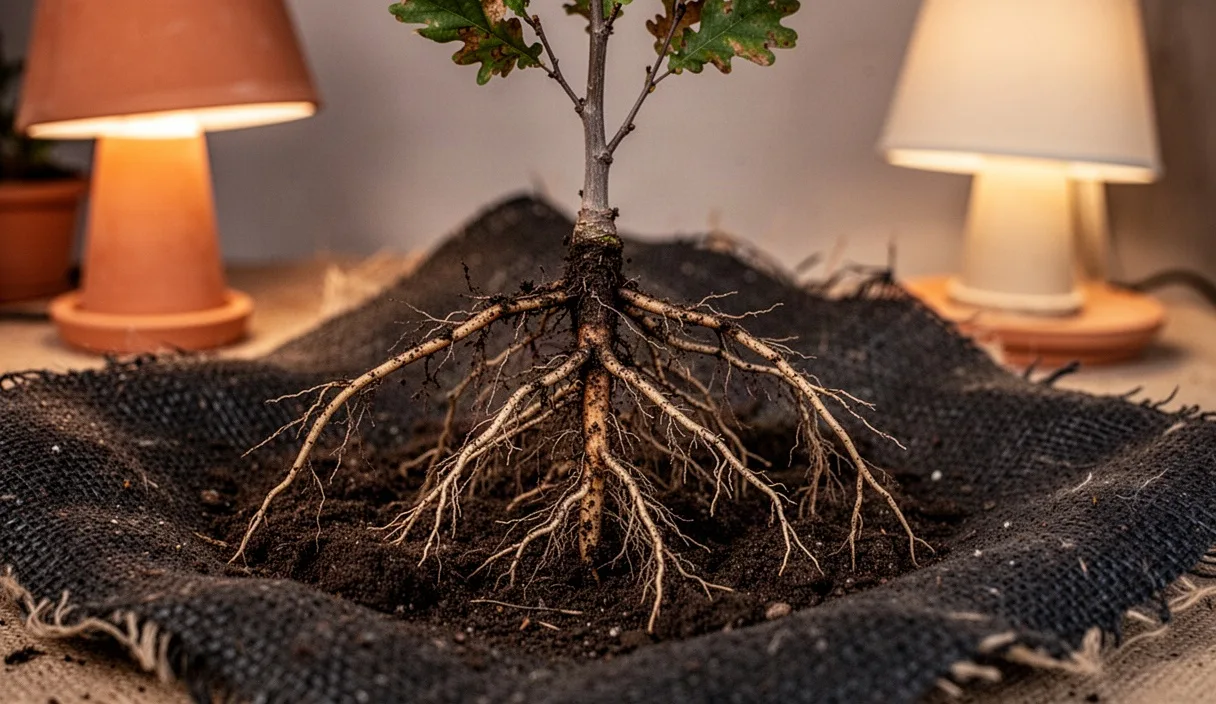
A seedling's capacity to withstand wind scour along a shelterbelt depends on its root-to-shoot ratio, measured in dry biomass. Standard field-nursery culture employs regular root-wrenching, wherein a horizontal blade severs the deep taproot at a predetermined depth, usually between 180 and 220 millimeters. This mechanical disturbance stimulates a compact, fibrous root architecture within the upper soil horizon. When lifted, a well-grown 1+1 or 1+2 transplant (one or two years in a transplant bed following one year in a seedbed) presents a balanced, lateral root cage that directly reflects the natural growth habit of the taxon.
Containerized seedlings, by contrast, are confined by the walls of rigid plastic cells or thermoformed cavities. Modern forestry cell designs incorporate internal vertical ribs to prevent spiraling and open bases to promote air-pruning. Nevertheless, the total root volume remains strictly constrained by the cavity capacity, which typically ranges from 90 to 250 cubic centimeters for standard shelterbelt stock. This constraint often produces a disproportionately high shoot-to-root dry mass ratio, meaning a comparatively large, leaf-bearing canopy relies on a compact, highly dense root cylinder.
| Parameter | Bare-Root Transplants (1+1) | Rigid-Cell Container Stock (150 cc) |
|---|---|---|
| Root Architecture | Broad lateral spread, naturally oriented | Dense vertical core, air-pruned taproot |
| Average Dry Mass Ratio (Shoot:Root) | 1.2:1 to 1.6:1 | 2.1:1 to 2.8:1 |
| Fine Root Hair Retention | Variable; heavily depleted if exposed to wind | Intact, protected within growing medium |
| Tolerance to Over-Winter Storage | High, under controlled cold store (-1 to 2 °C) | Moderate; prone to frost-lift or dehydration |
When selecting fast-growing pioneer species such as Alnus cordata (Italian alder) or Betula pendula (silver birch), the root-to-shoot ratio becomes the primary determinant of wind-firmness. Field-dug whips, possessing lower top-heavy leverage and wider lateral anchors, resist basal loosening during winter gales. Container seedlings, having a denser but narrower center of gravity, are prone to wind-rocking in their initial season unless cut back or planted slightly deeper than their nursery collar line.
Site Access and Haulage Logistics on Rural Holdings
The practicalities of moving tens of thousands of woody plants across farm tracks and wet pasture are frequently underestimated during project planning. Bare-root material possesses a distinct advantage in pack density and payload weight. Nursery-graded whips are tied into co-extruded polyethylene bundles of 25 or 50 stems, with their roots protected in enclosed, damp-proof sacks. A standard light commercial utility vehicle can transport up to 3,500 bare-root whips measuring 60 to 90 centimeters in height without exceeding payload limitations.
Containerized stock carries the immense deadweight of wet growing medium. A forestry tray containing 40 cells can weigh between 3.5 and 6.0 kilograms depending on its hydration level. Transporting the same quantity of 3,500 plants requires multiple trailer runs, a dedicated tractor shuttle, or a flatbed lorry fitted with Danish plant trolleys. In conditions where winter soils cannot bear heavy machinery without severe rutting, manual labor must haul these materials across rough ground, increasing installation time and operator fatigue.
Staging on site reveals another logistical divergence. Bare-root stock must be held in cold storage or "heeled-in" immediately upon arrival if planting is delayed beyond 48 hours. Heeling-in requires excavating a continuous V-shaped trench in sheltered, well-drained ground, laying the bundles at a 45-degree angle, and covering the root mass with loose, damp soil or well-rotted leaf mold to eliminate air pockets. Container stock can simply be laid out on timber pallets in a leeward ditch or barn entrance, provided a reliable hose connection is available to prevent the small cellular plugs from desiccating in drying winds.
Post-Planting Hydration Profiles in Marginal Soils
The interface between the planting medium and the surrounding native soil determines whether a seedling survives its first summer drought. Bare-root planting introduces direct contact between the plant's stripped root epidermis and the native soil particles. Once the planting notch or pit is closed and firmed, soil moisture moves down its natural water potential gradient directly into the vascular cylinder, assuming intimate soil-to-root contact without air voids.
Container seedlings present a distinct pedological challenge known as the textural interface discontinuity. The nursery plug typically consists of a peat-bark or coir-perlite potting blend engineered for maximum porosity and drainage under frequent overhead irrigation. When inserted into an unamended, dense agricultural clay or a coarse, stony till, capillary continuity is interrupted. The coarse porosity of the plug behaves differently than the finer capillaries of the native mineral soil, producing two distinct hydration failure points:
- Hydraulic wick effect: If the upper shoulder of the container plug remains exposed above the native soil line, the dry ambient air pulls moisture upward out of the plug through capillary action, parching the root zone within hours.
- Reverse moisture gradient: In drying soils, heavy clays exert an exceptionally high matric suction. The fine-textured surrounding soil can draw water directly out of the porous nursery plug, desiccating the root mass even while the adjacent subsoil appears moderately moist.
- Root restriction: Fine root tips encountering the sharp boundary between a loose, aerated artificial substrate and a compressed native clay subsoil often deflect laterally along the perimeter of the planting hole rather than penetrating into the native horizon.
To overcome this discontinuity, containerized stock must be installed slightly below grade, covering the top of the plug with 15 to 25 millimeters of mineral topsoil to seal the surface against evaporative wicking. With bare-root stock, the primary hazard is not substrate tension but improper pit consolidation: loose backfilling leaves subterranean air pockets where unprotected root tips quickly perish from fungal mold or dry air.
Comparative Field Survival Over the First Three Seasons
Field evaluations across rural plantings demonstrate that neither production method yields universal superiority; instead, survival trajectories diverge across the initial three-year establishment window. During the first growing season, containerized stock almost invariably shows lower immediate mortality, provided it is properly planted before summer warmth arrives. The intact root-plug supports uninterrupted sap flow, allowing species like Pinus sylvestris (Scots pine) or Quercus robur (pedunculate oak) to put on immediate leader growth.
By the conclusion of the second season, this dynamic frequently reverses or equalizes. Bare-root seedlings, having undergone initial transplant shock and minimal first-year shoot elongation, expend their initial energy reserves re-establishing a broad lateral root network. Once this foundation is established, their second-year and third-year height increments frequently surpass those of container stock. Container seedlings, if constrained by incomplete root egress from their original plug cylinder, often exhibit delayed stress symptoms in season two or three, particularly during sustained dry spells.
In a tracked planting on exposed chalk downland involving 2,400 stems of mixed deciduous stock (comprising Crataegus monogyna, Prunus spinosa, and Acer campestre), the following survival rates were recorded across the primary establishment window:
| Stock Type | End of Season 1 | End of Season 2 | End of Season 3 |
|---|---|---|---|
| Bare-Root (40-60 cm whips) | 88% | 84% | 83% |
| Containerized (Cell 175 cc) | 94% | 87% | 81% |
The modest decline in container survival between seasons two and three directly reflects instability caused by shallow lateral anchorage and the exhaustion of soil moisture in the immediate vicinity of the original root plug during late summer droughts. Once bare-root plants pass their first twelve months, their failure rate drops to near negligible levels, assuming adequate protection from browse animals.
Common Mistakes
Failures in farm-scale shelterbelt planting routinely stem from practical oversights rather than inherent defects in nursery stock. Field observations reveal several recurrent installation errors:
- Exposing bare roots to drying air during transit: Fine root hairs survive mere minutes when exposed to wind and ambient air on the back of a farm quad or open trailer. Keep roots covered with wet hessian or sealed in co-extruded bags right up to the moment they enter the soil.
- Glazing the walls of planting pits with mechanical augers: Tractor-driven augers used in wet, clay-heavy fields compress and smear the sides of the hole. This creates an impenetrable barrier that traps water in wet months and blocks root egress during dry spells. T-notch slit planting or manual spade digging remains far superior in cohesive soils.
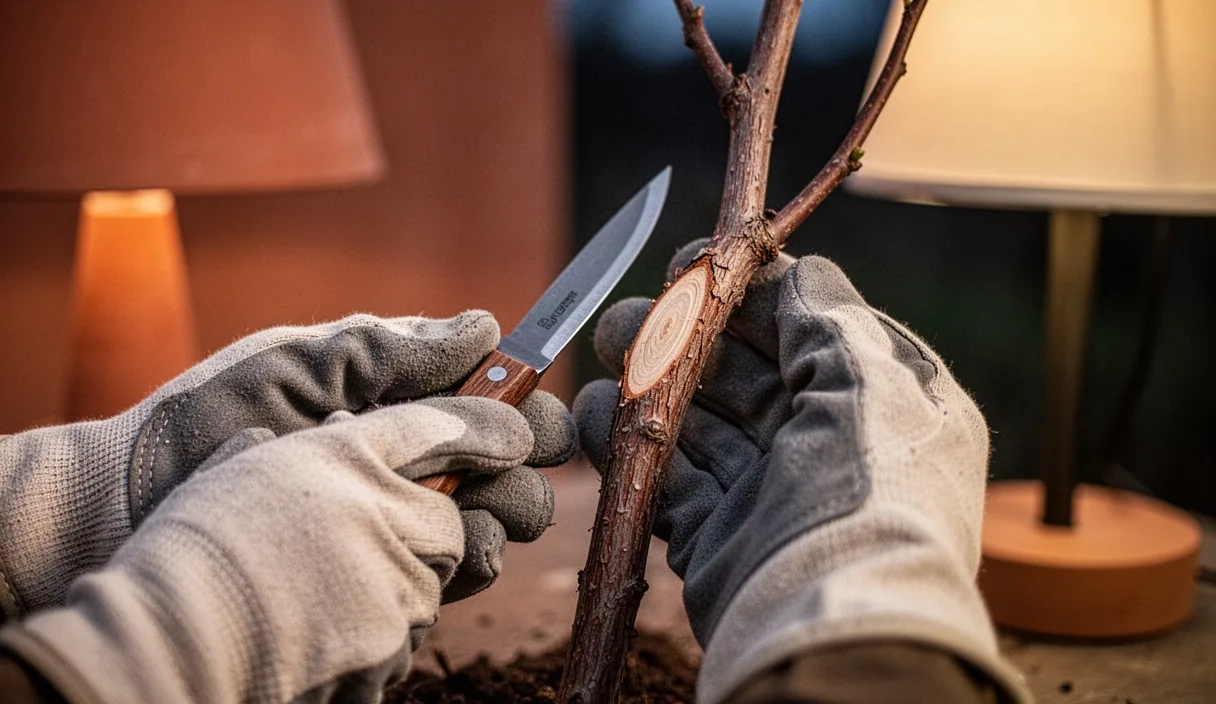
- Failing to score the root plugs of containerized stock: Container stock held late in the nursery can develop tightly bound peripheral roots. If planted without three or four shallow, vertical slices down the exterior of the plug using a sharp pocket knife, the roots will continue circling within the cavity rather than foraging outward.
- Planting too deep or leaving root collars proud: Burying the root collar of bare-root deciduous trees suffocates the lower bark, leading to bacterial rot, while setting them too shallow exposes upper laterals to desiccation. The nursery soil mark on the bark must sit flush with the finished ground level.
Implementing a Planting Plan
Executing an effective shelterbelt requires aligning stock selection with specific paddock conditions, equipment availability, and site access. The following practical sequence minimizes exposure to weather extremes and logistics bottlenecks:
Conduct Site and Soil Appraisals
Evaluate the target strip's soil texture, internal drainage patterns, and prevailing wind exposure during late summer. If the soil shows heavy, compacted clay prone to winter waterlogging, prioritize bare-root planting via manual notch techniques, as this avoids the textural interface problems common to container plugs. For rocky, skeletal soils where digging open pits is impractical, containerized plugs installed with narrow dibble bars present the only viable pathway. If there are doubts about soil salinity, drainage pans, or pathogenic history, consult an agricultural agronomist or chartered soil scientist before investing in stock.
Finalize the Procurement Schedule
Nursery contracts for autumn-to-spring planting must be settled months ahead. For large quantities of bare-root stock, place reservations with commercial nurseries between May and July. Ensure that delivery dates correlate directly with labor readiness; bare-root material must not sit idle in packing sheds. When using container stock, arrange staggered drop shipments to coincide with the planting crew's weekly capacity, avoiding the need to maintain extensive irrigation systems on remote farm parcels.
Prepare the Ground and Staging Area
Subsoil the planting line in late summer while the subsoil is still dry enough to fracture cleanly. Suppress weed competition along a 1.2-meter wide strip using either mechanical cultivation or targeted herbicide applications. Establish a secure, shaded staging depot near the planting zone. If using bare-root whips, prepare a clean heeling-in trench in advance of the first delivery, ensuring deep, friable soil and rodent-proof enclosures are ready to receive the stock immediately upon offloading.