Sylva Botanical Journal
About Contact
Articles Seed Provenance and StratificationPropagation and Nursery CultureOrchard EstablishmentSoil Preparation and Landscape Planting
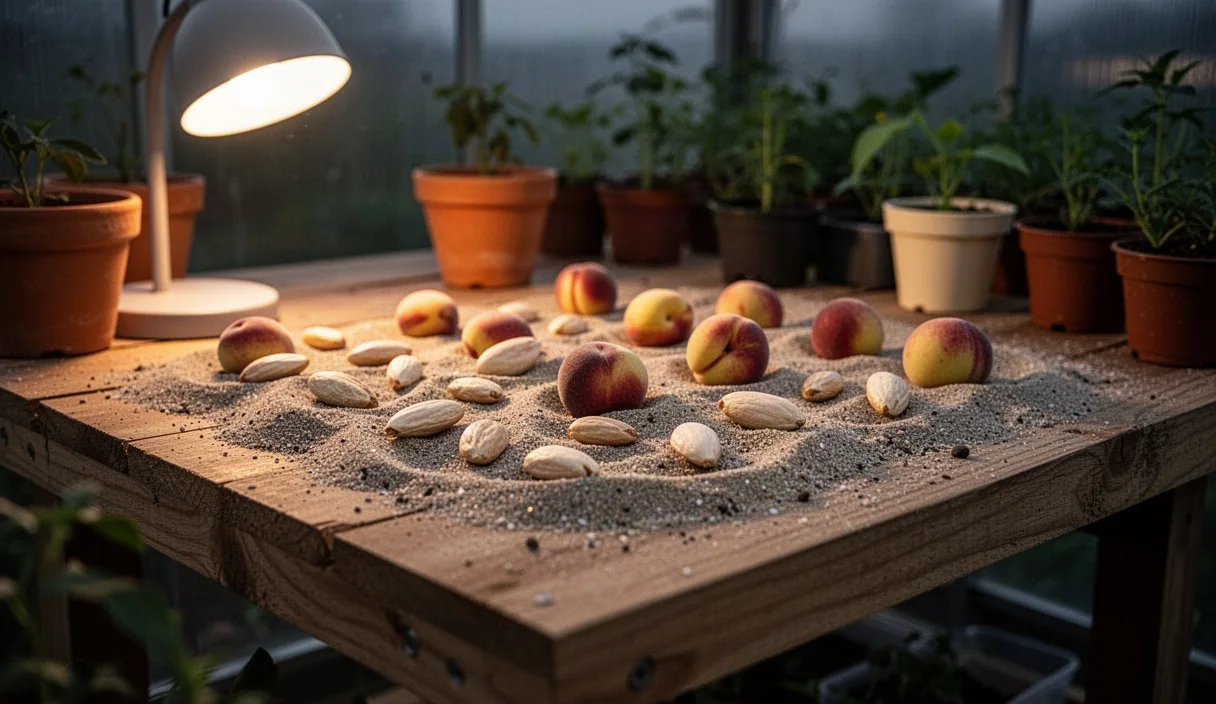
Cold Stratification Protocol for Stone Fruit Kernels
Seed Provenance and Stratification9 min read

Cold Stratification Protocol for Stone Fruit Kernels

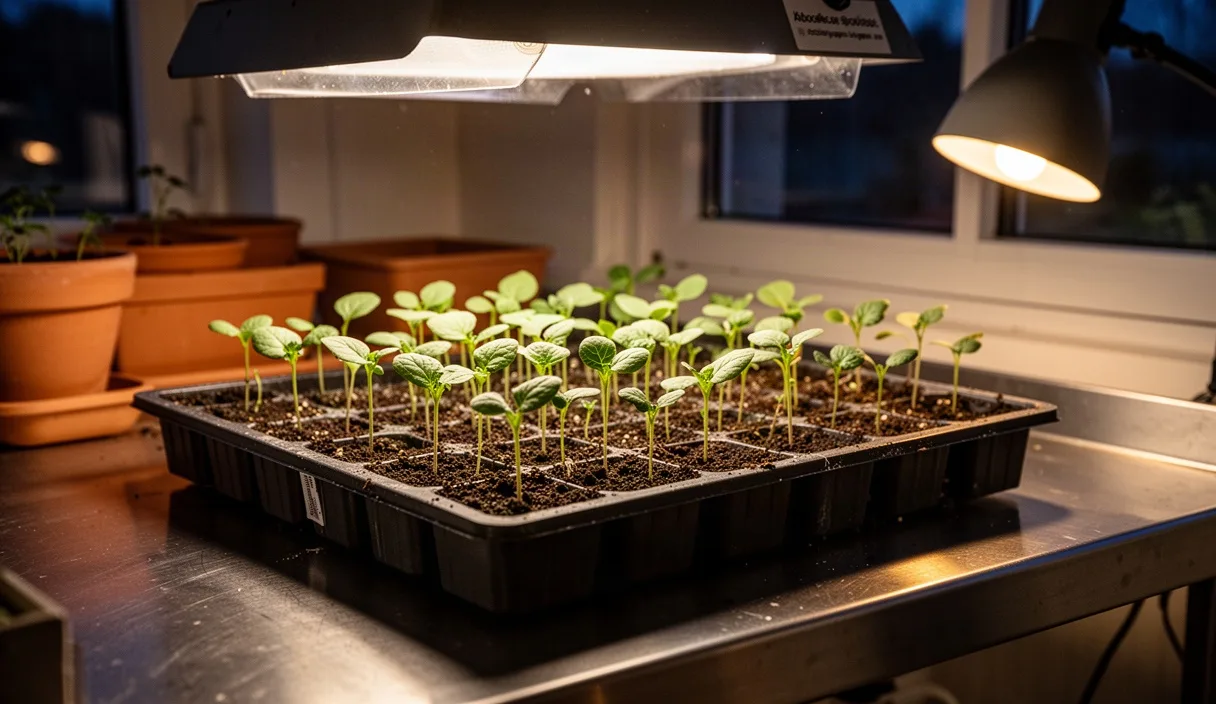
Learn how to regulate temperature and moisture curves to break embryo dormancy in prunus pits reliably. You will prevent premature radicle emergence while achieving uniform spring emergence across your nursery flats.

Start here

Recent Dispatches and Field Reports

All articles
Post-Planting Water Budgets for Arid Clay Loam Sites
Soil Preparation and Landscape Planting 10 min read

Post-Planting Water Budgets for Arid Clay Loam Sites

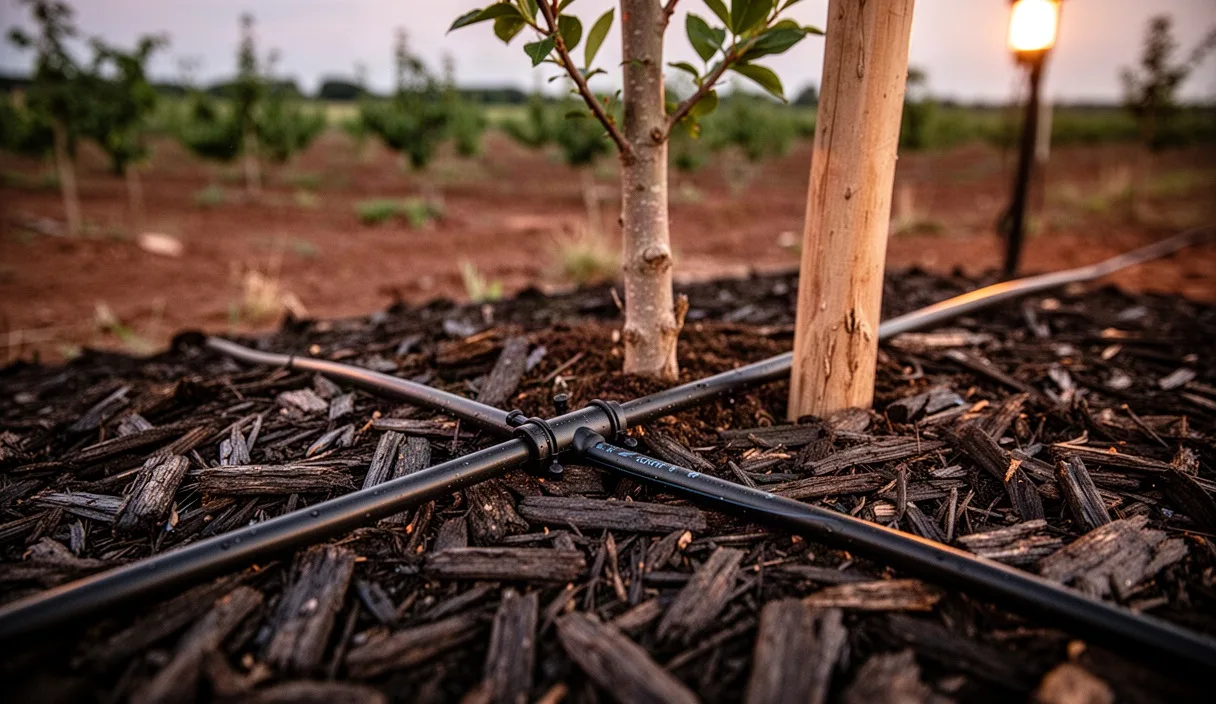
Establish accurate irrigation volumes and cycles for young landscape trees bedded in heavy, water-retentive clays. You will avoid both hypoxic root suffocation and drought stress during the critical first growing season.

Read article

Long reads

Managing Taproot Geotropism in Air-Pruning Nursery Beds
Propagation and Nursery Culture10 min read

Managing Taproot Geotropism in Air-Pruning Nursery Beds

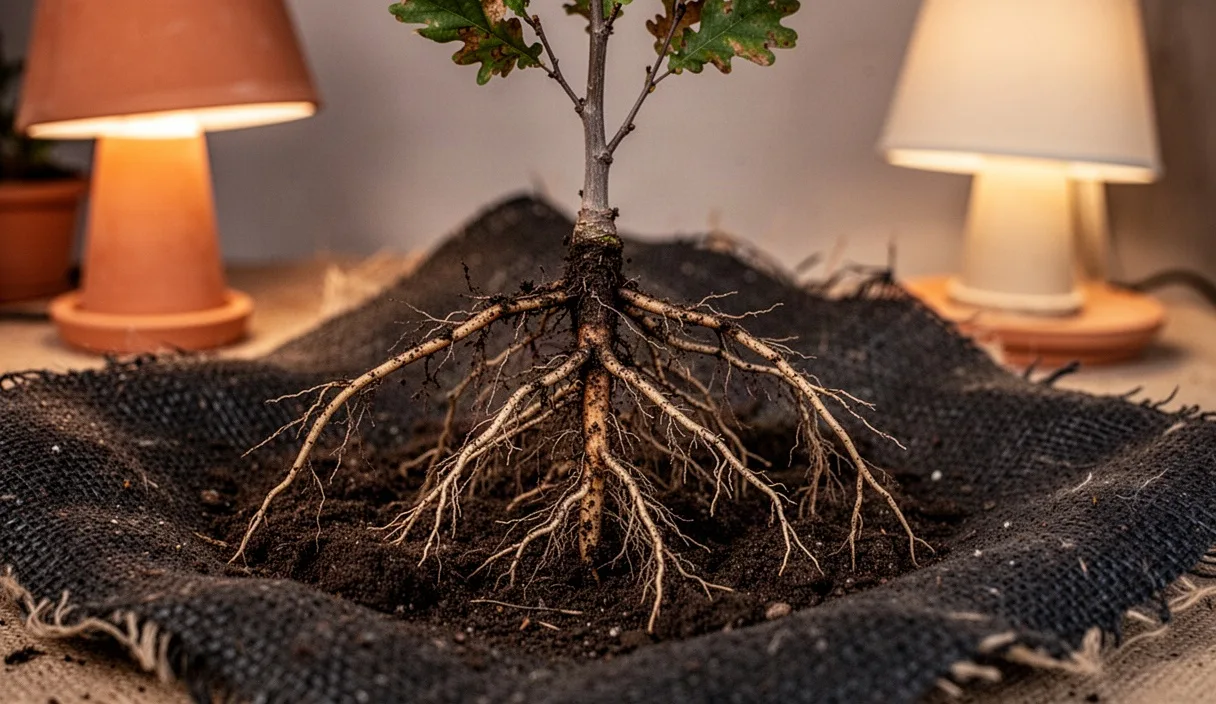
Discover how bottomless propagation cells and air pruning eliminate taproot circling in wild-type seedlings. You will establish a dense, fibrous lateral root network that reduces planting shock in field conditions.

Bare-Root Versus Container Seedlings for Shelterbelts
Propagation and Nursery Culture10 min read

Bare-Root Versus Container Seedlings for Shelterbelts

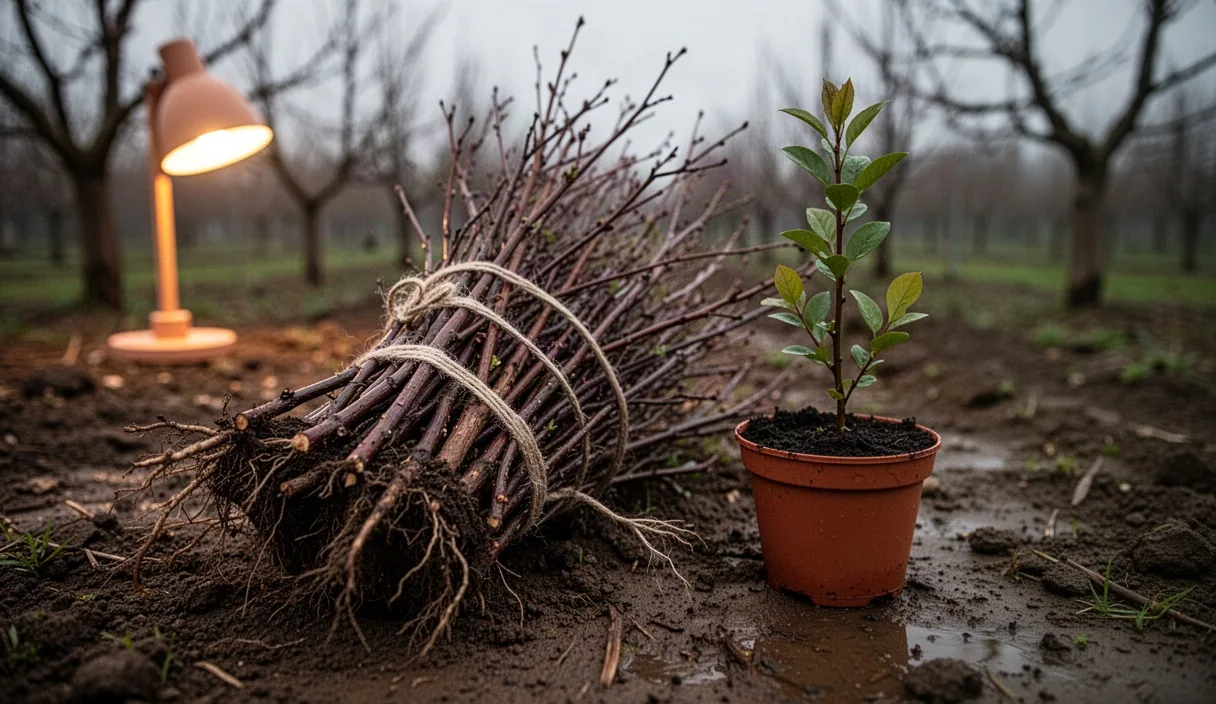
Compare root architecture, field labor costs, and survival rates between bare-root stock and containerized plants. You will choose the appropriate stock format based on local precipitation patterns and planting site topography.

More on Propagation and Nursery Culture

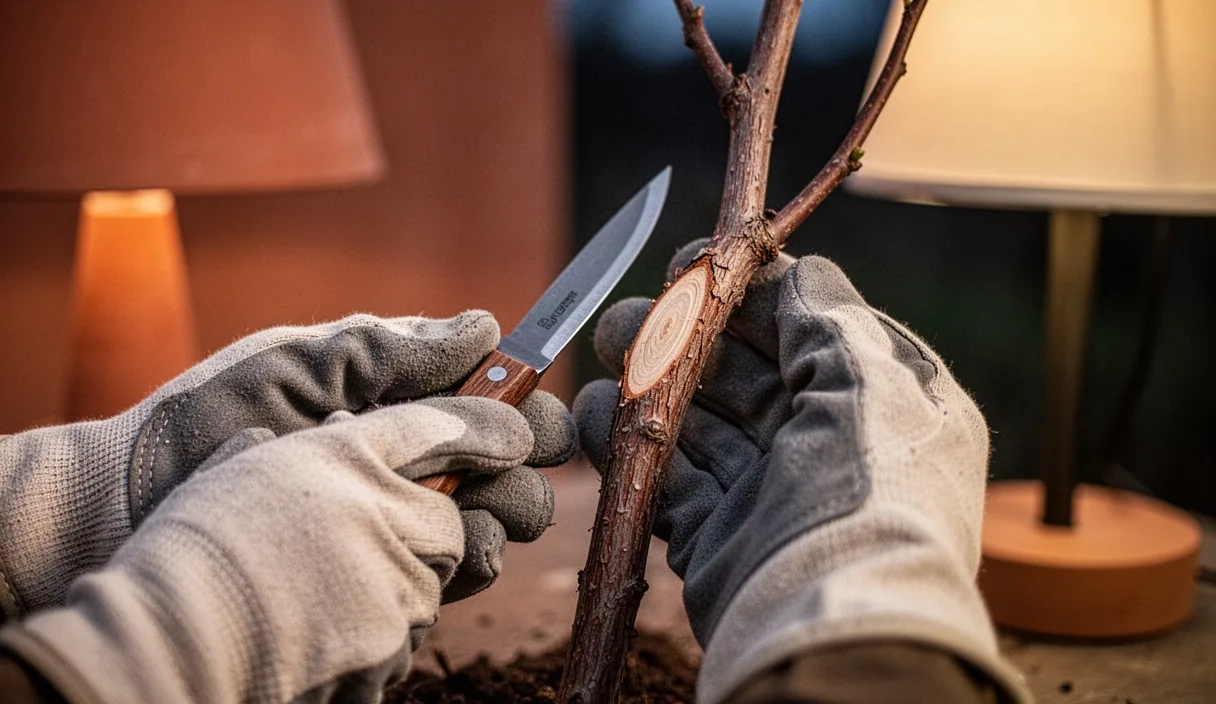
Methods for container production, field-bed development, root architecture management, and scion graftage.

Complete archive on this subject
Bare-Root Versus Container Seedlings for Shelterbelts
Propagation and Nursery Culture 10 min read

Bare-Root Versus Container Seedlings for Shelterbelts

Compare root architecture, field labor costs, and survival rates between bare-root stock and containerized plants. You will choose the appropriate stock format based on local precipitation patterns and planting site topography.

Read article

How we write

Editorial policy

Exclusive Mother Stock

Seed and scion wood derive solely from our private collection, avoiding mixed commercial origins.

Calibrated Kernel Grading

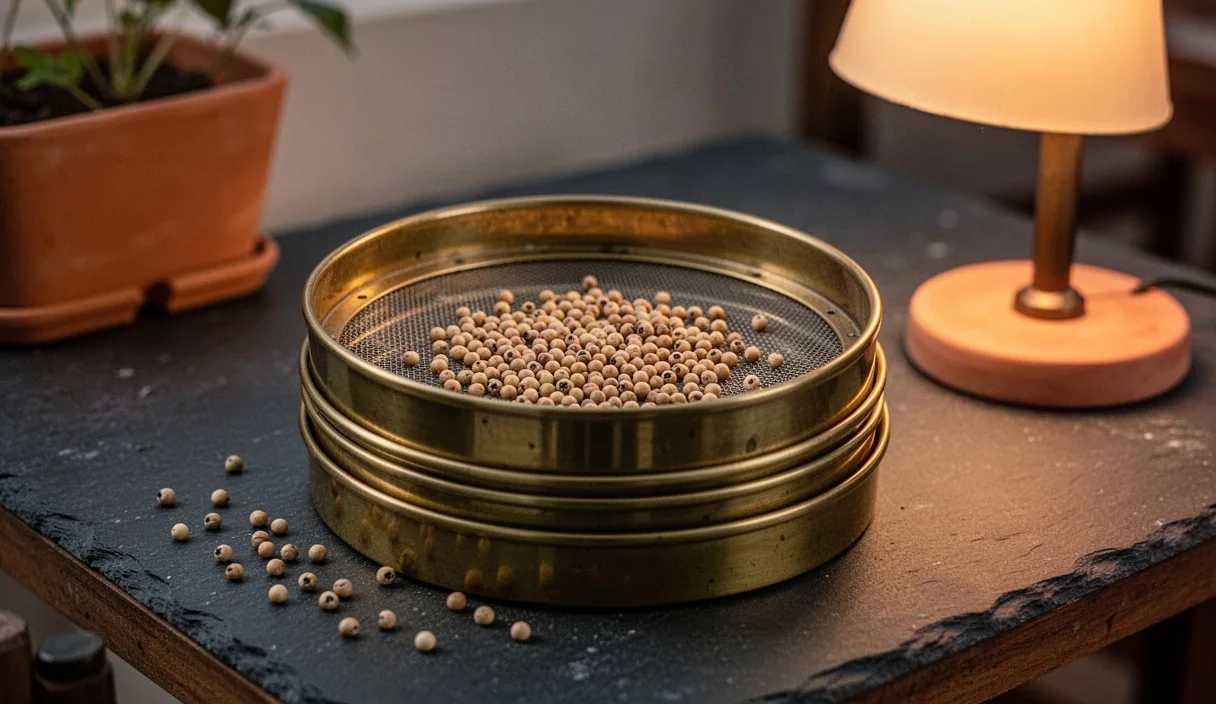
Seeds are sorted by mass and dimension to ensure even germination across open ground.

Stratification Transparency

Every batch notes the exact chilling duration and preparation date for predictable field scheduling.

Controlled Regional Hardiness

Our parent trees undergo seasonal exposure to wind and damp, fostering strong resistance to seasonal blights.

More on Orchard Establishment

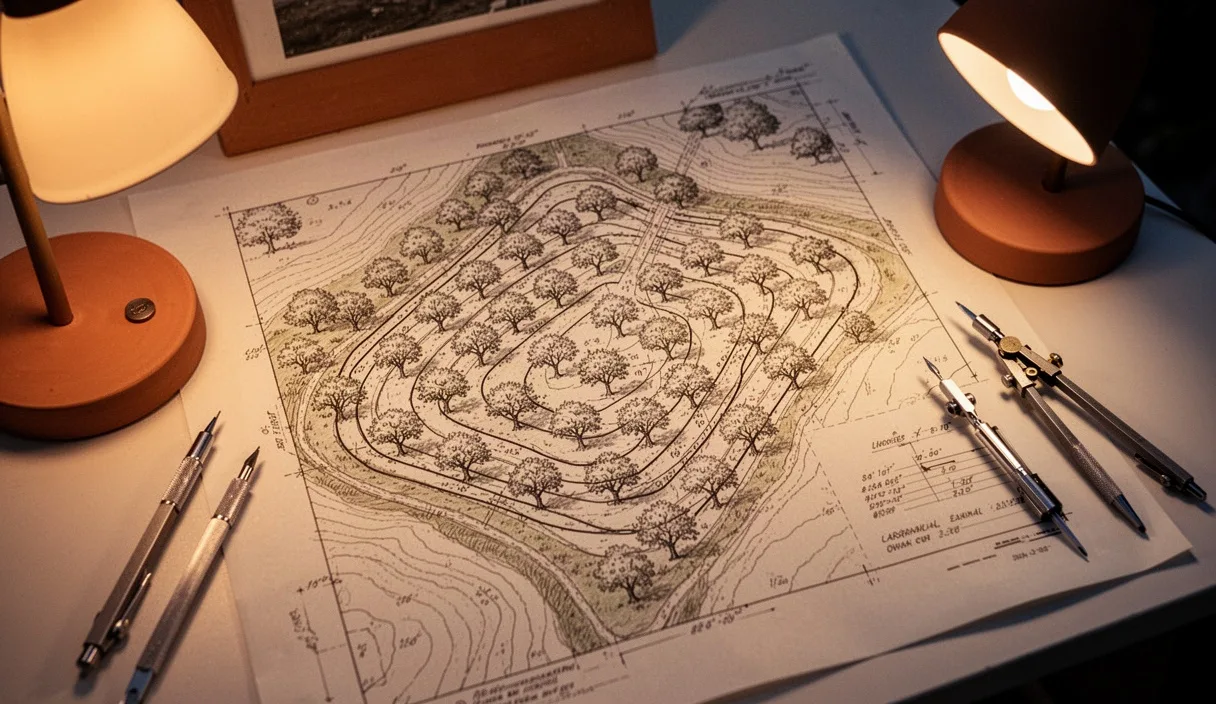
System designs, spacing topologies, planting geometry, and juvenile tree maintenance for fruit and nut plantings.

Complete archive on this subject

Questions readers ask

how to choose suitable nursery stock for local soil

Review your site drainage, soil pH, and winter chill hours before selection. Our cultivar notes list soil preferences and terminal heights for every nursery batch to match your plot.

what is your seedling packaging made of

Specimens are packed using damp natural sphagnum moss and breathable unbleached paper within double-wall cardboard boxes. This configuration preserves root respiration without retaining stale heat.

how long does stratified seed remain viable after arrival

Stratified seeds should be planted within ten days of receipt to prevent premature root emergence. Store the package unopened in a cool dark space between two and five degrees Celsius if planting is delayed.

how to order and pay for nursery stock

Select your items online and finalize the order choosing either direct bank transfer or cash on delivery. Orders received prior to 13:30 on business days enter preparation that afternoon.

About Sylva Botanical Journal

This journal is assembled by professional nurserymen, pomologists, and soil consultants for growers seeking rigorous silvicultural practices. Every procedure documented here draws from empirical trials conducted within closed breeding repositories and experimental orchards. Our editorial committee reviews all technical submissions for biological fidelity before publication.

About us

Inquiries and Field Observations

Submit your field inquiries, empirical corrections, or suggestions for future technical monographs directly to our nursery desk.

Working hours

Mon-Thu 10:00-19:30, Fri 10:00-18:30, Sat 09:30-13:45, break 12:45-13:45

Expected response time

Response provided within one business day

Send us a message